
I was introduced to the term’ Creative Non-Fiction’ by my former mentor and fellow Australian author, Lee Scott. Up until then, I had been calling my first book a ‘biographical novel’. Finally, I had a name for what I had been working on all these years.
Below is a short video I did all those years ago about Creative Nonfiction.
Creative Nonfiction is not restricted to novel-length works. The genre, also known as literary nonfiction, includes travel writing, nature writing, science writing, sports writing, biography, autobiography, memoir, interviews, and essays.
The words ‘creative’ and ‘non-fiction’ describe the style. These are stories about real people and events, but unlike a biography or autobiography, they are written to read like fictional stories. It is a way of storytelling that creates a safe platform to tell a story and retain the privacy of the author or others featured in the text. As the writer, you can also be more creative in the narrative.
A Few Tips on Writing Creative Non-Fiction:
Get Your Facts Straight
Although a Creative Nonfiction story is stylised as fiction, the bottom line is that the story is still based on truth. While you can be more liberal with the narrative, you are still responsible for getting the facts straight. For example, you might be writing a story about the Titanic. You might create your own characters, but you will still need to get the dates correct, statistics, etc. You could come up against scrutiny otherwise.
Disclaimer
Think of the opening of the popular TV show Law & Order: “The following story is fictional and does not depict any actual person or event.” We can tell by watching many episodes of this show that the subject matter has been inspired by true events, with minor detail changes here and there, like character and place names and settings.
Be Objective.
Allow the reader to take from the story what they will and form their own opinion without creating an air of bias by putting your own voice and angle.When I am writing Creative Nonfiction, I like to think that I am laying out the facts on the table, telling a story from someone’s point of view. If someone challenges the ideas that I have conveyed in the story, I consider that to be their opinion, and theirs alone. It does not mean that what I have written is incorrect or invalid, it is simply one perspective. Everybody has a right to tell their side of a story, even if someone else might not agree with their particular angle.
Repercussions
Sometimes our best efforts to change details are not enough. I have heard stories from other authors who, despite doing their absolute best to disguise detail, received complaints from readers about a character they believed they had inspired, but had only a minor role and mention in the story. And even when you have the permission of the person you’re writing about, be sure to maintain good communication with them about the details, so that you are both clear on what will be included.
My Creative Nonfiction novel, The Wilted Rose, was well-received by the family and friends. Some minor complaints were made that the book was too harsh on the religion that featured as a main theme. I maintain that the events recounted in the story were based on the main character’s personal experiences, for which I had full permission to use.
Language
Good news! Because you are working with a fictional narrative, you can be more creative with your language! You can veer away from the mundane ho-hum of factual nonfiction, with the ability to make full use of language and storytelling techniques.
Selection of Stories
As mentioned before, Creative Nonfiction is a great way for people to share their stories, which may otherwise go unheard. However, as the author, you should still be mindful of the entertainment value of the stories you use. A memoir about an ordinary person’s first year of college isn’t incredibly interesting. There would need to be some drama, something inspiring to catch and hold the reader’s attention. When writing creative nonfiction, a clearly defined audience is also essential. Who can relate to the material you’re writing about?
In The Wilted Rose, I have had many people reflect on their experiences working as nurses and professional women in the 1950s, and also people experiencing mental illness within their families.
Creative Nonfiction is perhaps the fiction world’s answer to reality entertainment. What I love about the genre is that it gives the ability for more and more people to share their stories with the world, whether they write them themselves or engage a professional writer to do so. I certainly hope we start seeing more of these types of stories in circulation.
The Wilted Rose: A Creative Non-Fiction novel
My first book, The Wilted Rose, is inspired by a Brisbane family’s struggle with mental illness during the 1960s & 70s.
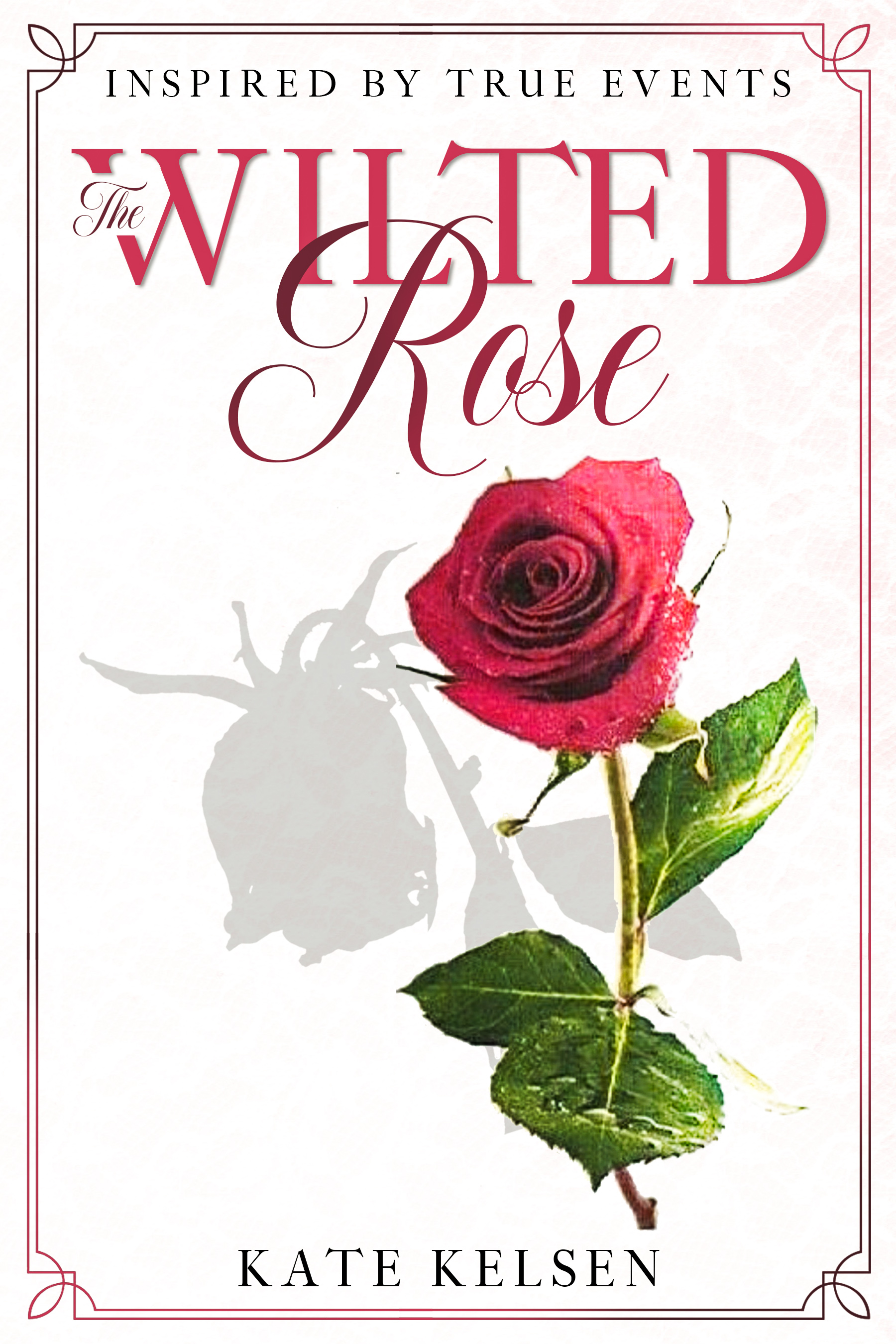
The Wilted Rose is available in print on Amazon in the US, UK and Canada. I am working on getting it available on the Amazon Australia website. In the meantime, you can contact me directly and I will be happy to post you a signed copy within Australia!
You can purchase an eBook copy of The Wilted Rose HERE, and it is also available from Kobo and Google Play.
Discover more from Kate Kelsen
Subscribe to get the latest posts sent to your email.

