
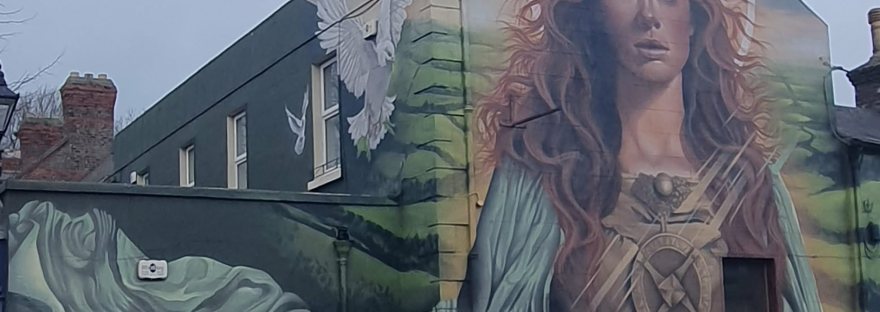
Hello February!
Wherever you are in the world, you’re surely feeling the warmer weather, whether it is incoming or outgoing. In the Northern Hemisphere, spring is on the horizon, while the Southern Hemisphere is in the heat of summer. Here in sunny Queensland, Australia, I’m certainly looking forward to the cooler months.
As I swelter, I’m longing for the cold winter February I had in Ireland last year. On this day in 2024, I attended my first Saint Brigid’s Day parade in Dublin.
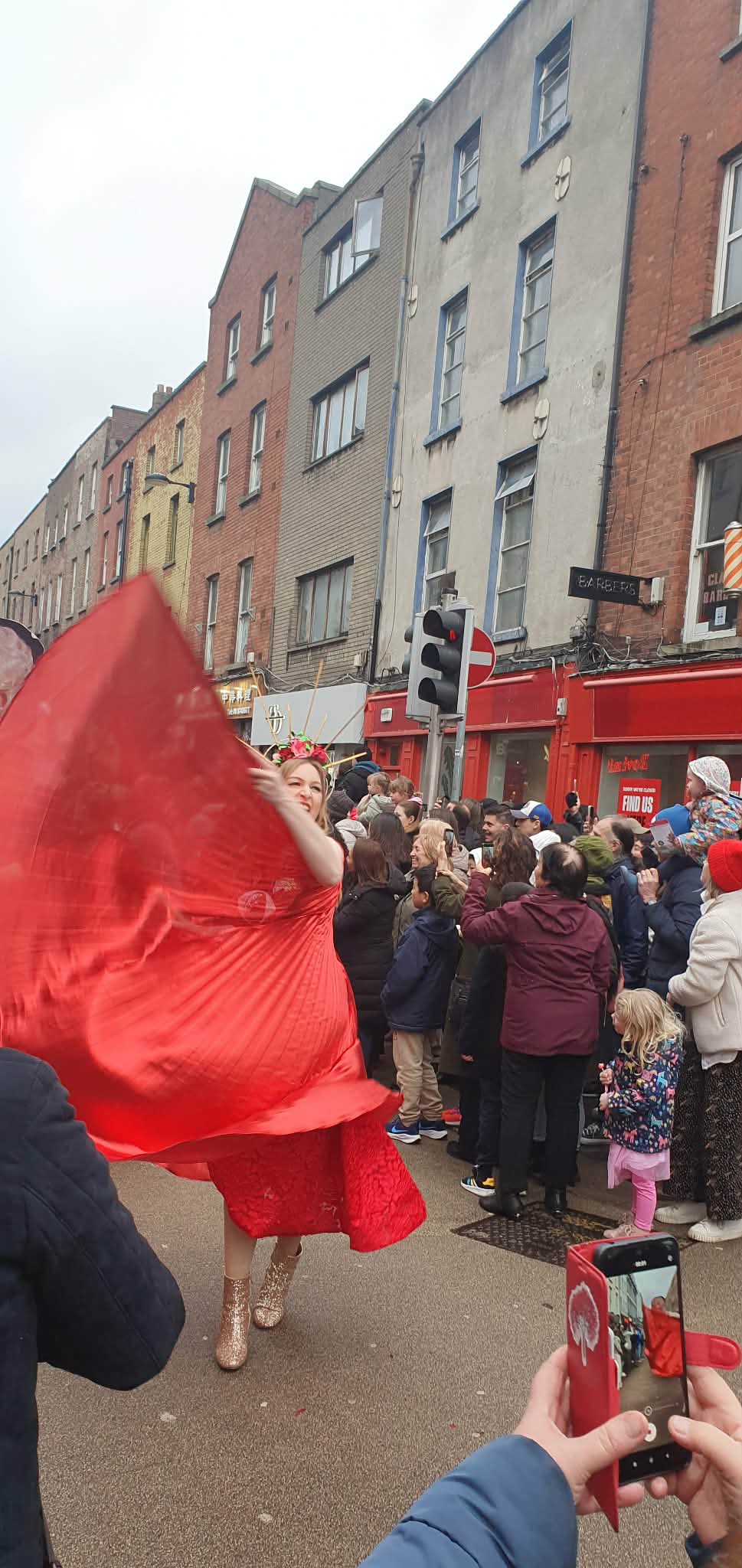
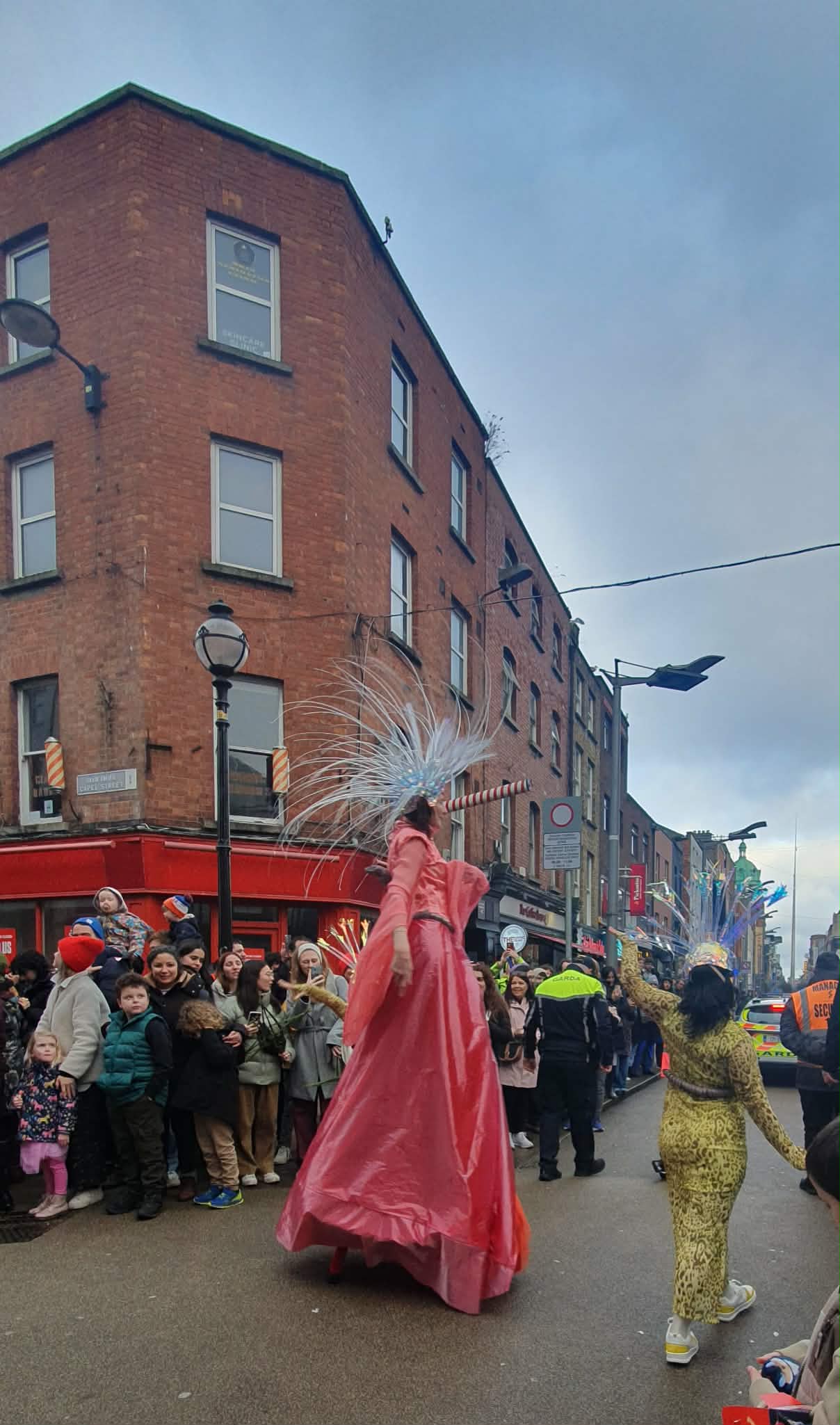
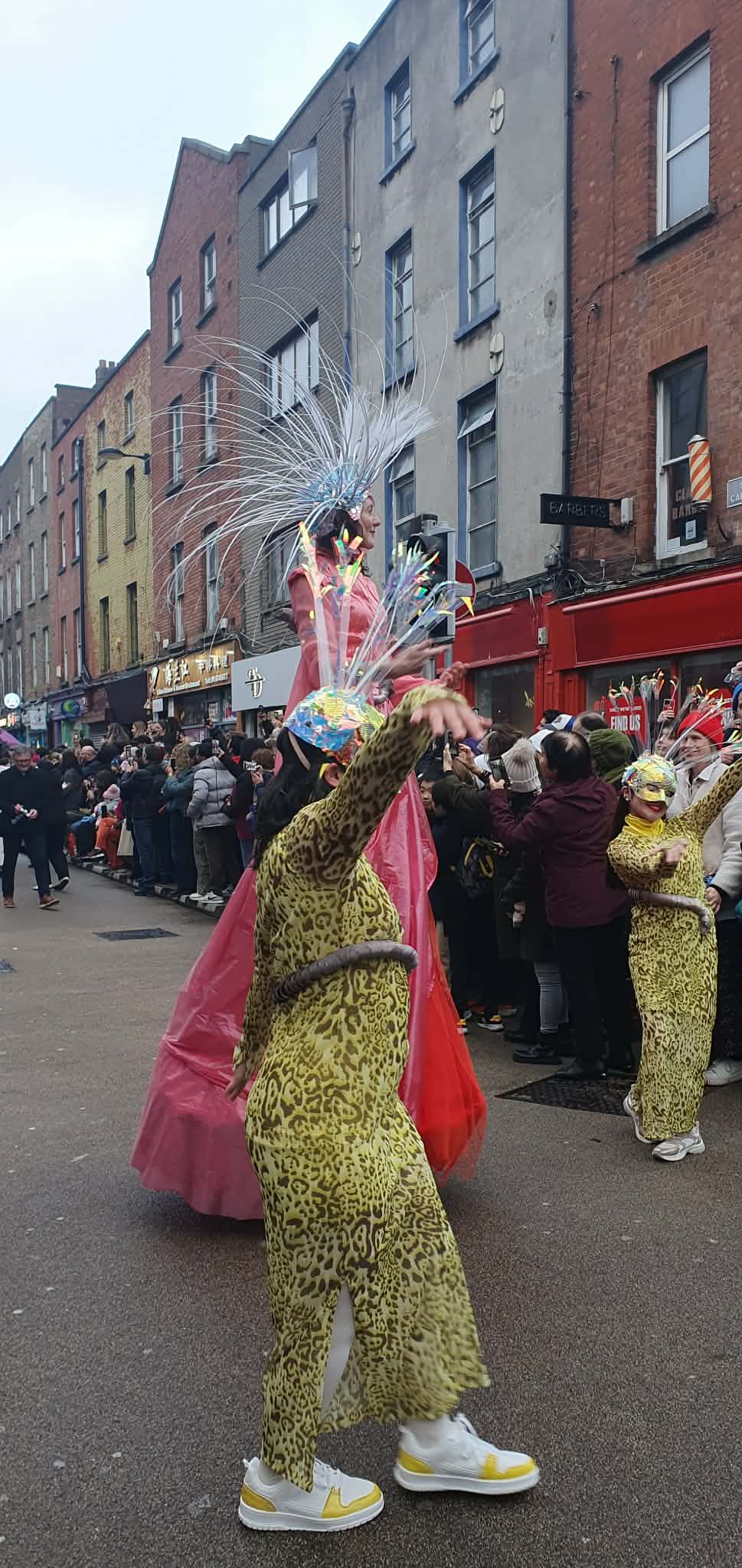
There is much intrigue surrounding Saint Brigid, which is widely attributed to the fact that she embodies a unique, dual identity, existing simultaneously as a pre-Christian Celtic goddess and as a 5th-century Christian saint.
I learned a lot about St. Brigid during my year living in Ireland, and was captivated by the duality of this particular deity. I even visited St.Brigid’s Cathedral in Kildare town for a traditional Christmas carols service.

Brigid or Brigit (also Bríd,-pronounced ‘Breed’ or ‘Breeg’ meaning ‘exalted one) appears in Irish mythology as a member of the Tuatha Dé Danann (People of the Goddess Danu). The Tuatha Dé Danann are a supernatural, divine race often regarded as the pre-Christian gods of Ireland. She was considered the daughter of the Dagda, the great god of Irish Mythology and the chief god of the Tuatha Dé Danann. Brigid is associated with wisdom, poetry, healing, protection, smithing, and domesticated animals.
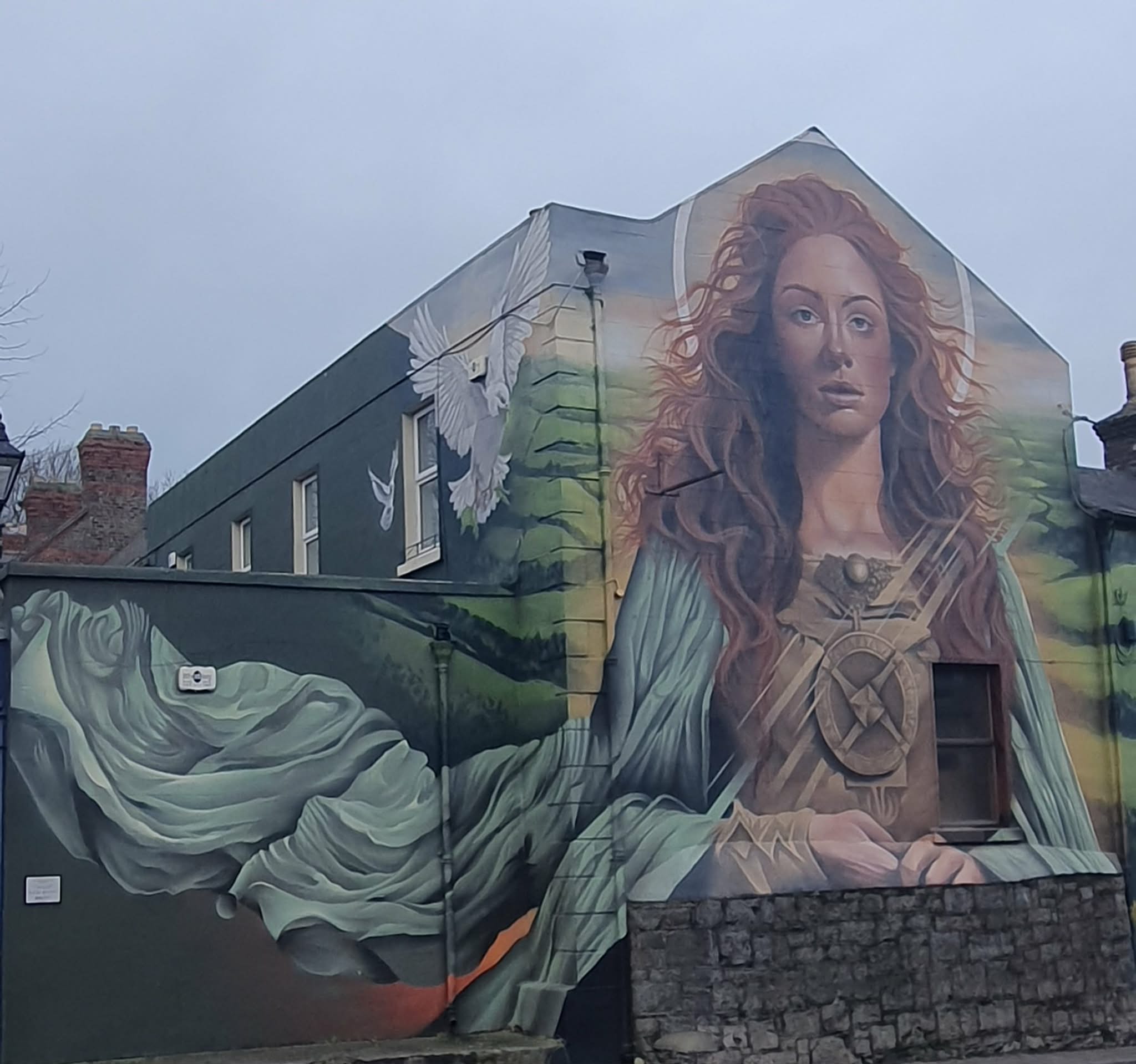
Saint Brigid of Kildare is the patroness saint of Ireland, one of its three national saints along with Patrick and Columba. According to medieval Irish writings, she was an abbess who founded the abbey of her namesake in Kildare, as well as several other convents of nuns.
It is understood that Saint Brigid is a Christianization of the goddess, or that the lore of the goddess was transferred to her. Saint Brigid shares many of the preceding goddess’s attributes, including her feast day on the 1st of February, originally known as the pagan festival of Imbolc.
St. Brigid’s Day, or Lá Fhéile Bríde, marks the start of spring in the Irish tradition. Since 2023, it has been a public holiday in Ireland. The day blends Christian traditions with the Celtic festival of Imbolc, symbolizing hope, renewal, and the return of light.
Imbolc (Northern Hemisphere)
Imbolc, or Imbolg, is a Gaelic traditional festival widely observed throughout Ireland, Scotland, and the Isle of Man. It is one of the four Gaelic seasonal festivals, marking the beginning of spring, celebrated approximately halfway between the winter solstice and the spring equinox.
Imbolc means ‘in the belly’, and this is the time when life stirs in the belly of the earth. The Hag, the Dark Goddess or Dark Fairy, gives way to the young and radiant Maiden.
This feast is also known as Candlemas, sacred to Saint Brigid, who is considered by some to be a very powerful fairy. If you feel so inclined, you can invite Saint Brigid to your home by lighting candles in your windows and around your house. Ask her to bless all your projects for the coming year, and pledge a special act of care for the natural world in return.
Southern Hemisphere: Lughnasadh/Lammas
Lammas is ‘Loaf Mass’, is a Christianised version of a much older festival known as Lughnasadh, or the ‘Feast of Lugh’. Lugh (or Lug) is a prominent, multi-skilled god in Celtic mythology, and a member of the Tuatha Dé Danann, His name means ‘bright one’.
Lammas is a time of holidays and abundance, but there is an underlying theme of death. Some say Lugh is lord of the waning year, and his dance through the corn is a dance of death, a reminder that all things come in cycles, and that everything is united in love and beauty.
Lughnasadh is considered a major fairy festival. Many fairies are active during this time, including the Russian Polevik, who kicks sleepy harvesters awake. In the Southern Hemisphere, the fairies are preparing for winter, and processions of them may be seen as a line of twinkling lights moving between the hills in the countryside.
Discover more from Kate Kelsen
Subscribe to get the latest posts sent to your email.

