
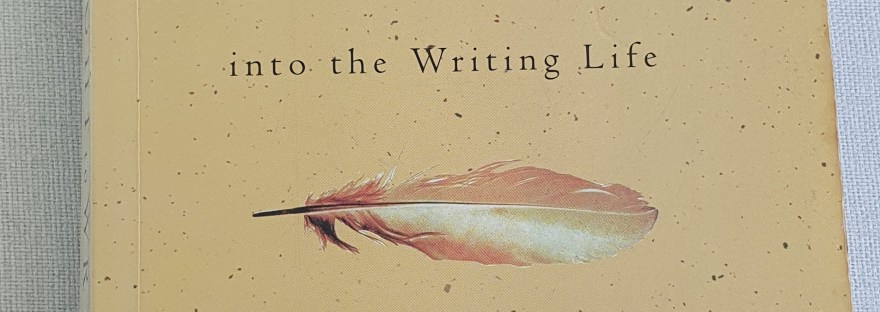
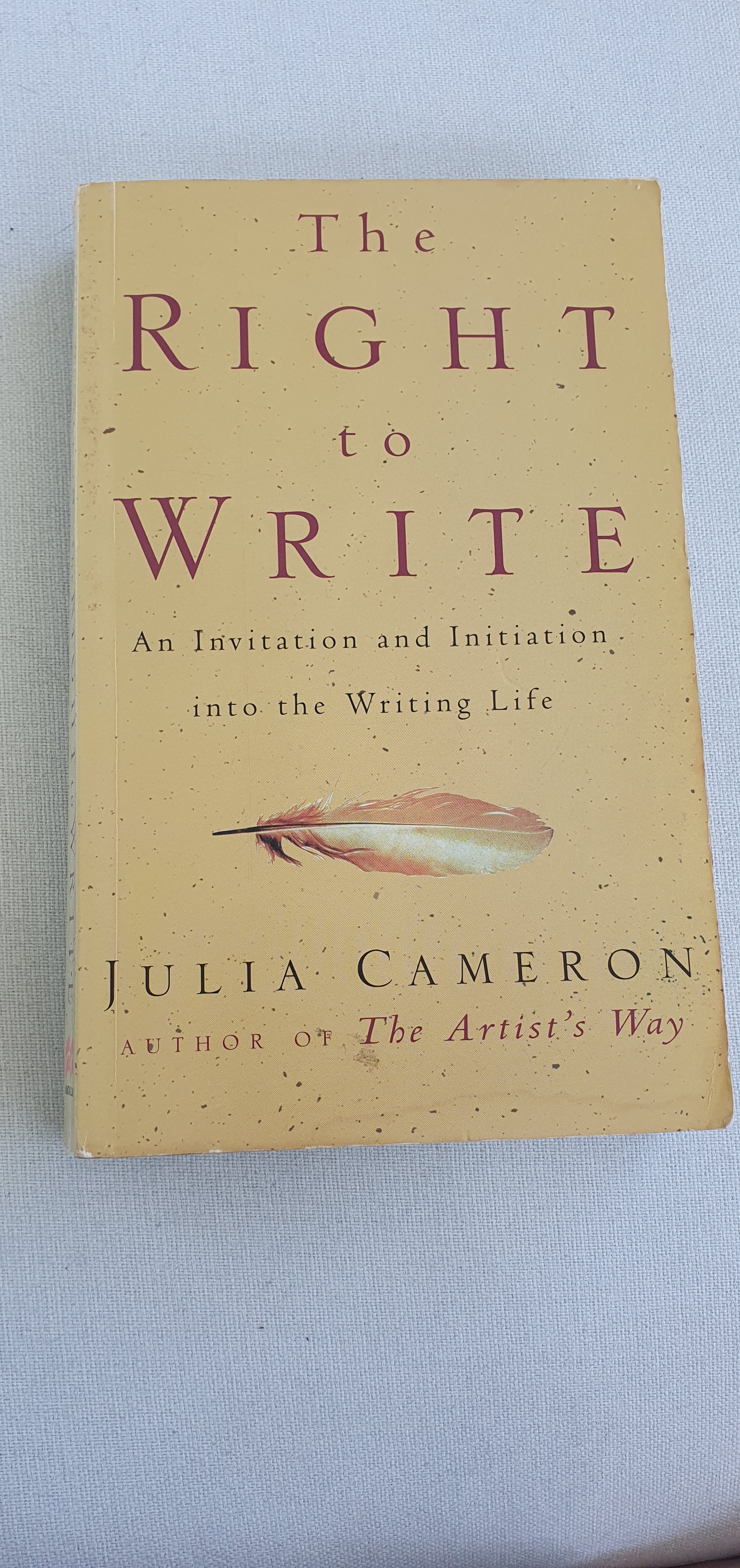
In the morning, I read books for learning. The Right to Write by Julia Cameron is a creative writing book I HIGHLY recommend.
What if everything we have been taught about learning to write was wrong? In The Right to Write, the bestselling author of The Artist’s Way, asserts that conventional writing wisdom would have you believe in a false doctrine that stifles creativity.
Recently, I have experienced a significant shift in my writing life. A personal revolt, if you will, against the writing community in Australia. For a long time, I faithfully attended local writing groups, events, and workshops on a monthly basis. I was even on the committee of a writers’ organisation for many years. No matter what the topic of the event, the focus would always seem to circle back to publishing. Why? In my humble opinion, it’s because publishing continues to be viewed and encouraged as the only worthy goal of a writer. Capitalism, yay!
I put my withdrawal down to what I perceive as continued focus on the result of writing, and the status that commercially published success could provide. Don’t get me wrong, my writing community is amazing, and I, too, would like to reach a level of commercial success. I just am weary of this narrative because I am so in love with the writing itself. I am tired of the intellectualism, elitism, and gatekeeping that often occurs in the writing world.
My feelings of disillusionment were cemented upon my return home to Australia after a year living abroad. In Ireland, I experienced a writing community that I feel has decentralised publishing and online presence, or perhaps never centralised it at all. And yet it is still thriving, still producing bestsellers and best-selling authors. At writing festival events and workshops, online presence and social media follower numbers didn’t even get a mention. Not a TikTok dancer in sight. A testament to what is possible.
Now, don’t get me wrong, there were aspects of the writing community in Ireland that I didn’t take to. Firstly, most writer events consisted of sitting in a room with established storytellers, listening to them read from their works. Boring! Also, the lack of genre-based writing workshops and events. I see now we do that very well in Australia.
But in Ireland, I felt I had been permitted to be a writer. Not a social media influencer, not a content creator, a writer. I returned to Australia, and it was clearer than ever to me that the focus of the writing community here is on publishing, online presence, and social media followers.
You might ask, well, why don’t you just live in Ireland? Trust me, if I could, I would. Unfortunately, the lack of Irish heritage, critical skills in the workplace, or an Irish partner prevents me from doing so.
So right now, I find myself feeling like a lost sheep, wondering if there is anyone else who feels the way I do. I know there is, and I want to find them and make more of them.
The Right to Write really spoke to this experience for me. It is a grounded guide to writing and the writing life, and so relatable to all aspects of the writer’s journey. In the book, Julia shares experiences with writers who are stunted by the pressure to succeed, and challenges the capitalist ideals of success we have all been conditioned to value. She offers writing as a natural, intensely personal part of life, and makes writing a playful and realistic as well as a reflective event.
She also gives lovely, short creativity exercises to do at the end of each chapter.
The takeaway: Do away with the elitism, intellectualism, and gatekeeping in the arts. Decentre capitalism from art. Decentralise publishing and the desire for status. Discover the sheer joy of the process at all stages of the journey, including worldly success, when that time comes.
The only guaranteed joy in writing is the writing itself.
Discover more from Kate Kelsen
Subscribe to get the latest posts sent to your email.

