
In this post, I share an excerpt from my memoir-in-progress, Aistear: A Woman’s Journey. This excerpt is about arriving in Dublin at the beginning of my second visit to Ireland, the start of a three-week book research trip.
As the plane descended into Dublin International Airport, my stomach fluttered, not from the drop in altitude but with excitement and anticipation. The wheels touched down on the tarmac with a sharp thud, and the impact jolted me into a sense of joyous realisation: I had made it back to Ireland.
I stepped outside the terminal into the cold March morning, where it was two degrees Celsius and still dark. I caught the Dublin Express to O’Connell Street. I had booked an Airbnb room in a flat on Parnell Street. I settled in and fell asleep.
When I woke the next morning, my hosts had already left for work, so I had the flat all to myself. I booked a daytime tour at the nearby National Leprechaun and Fairy Museum. Before the tour, I stopped at the Tram Café, where I enjoyed a delicious slice of Guinness-infused chocolate cake with my chai latte.
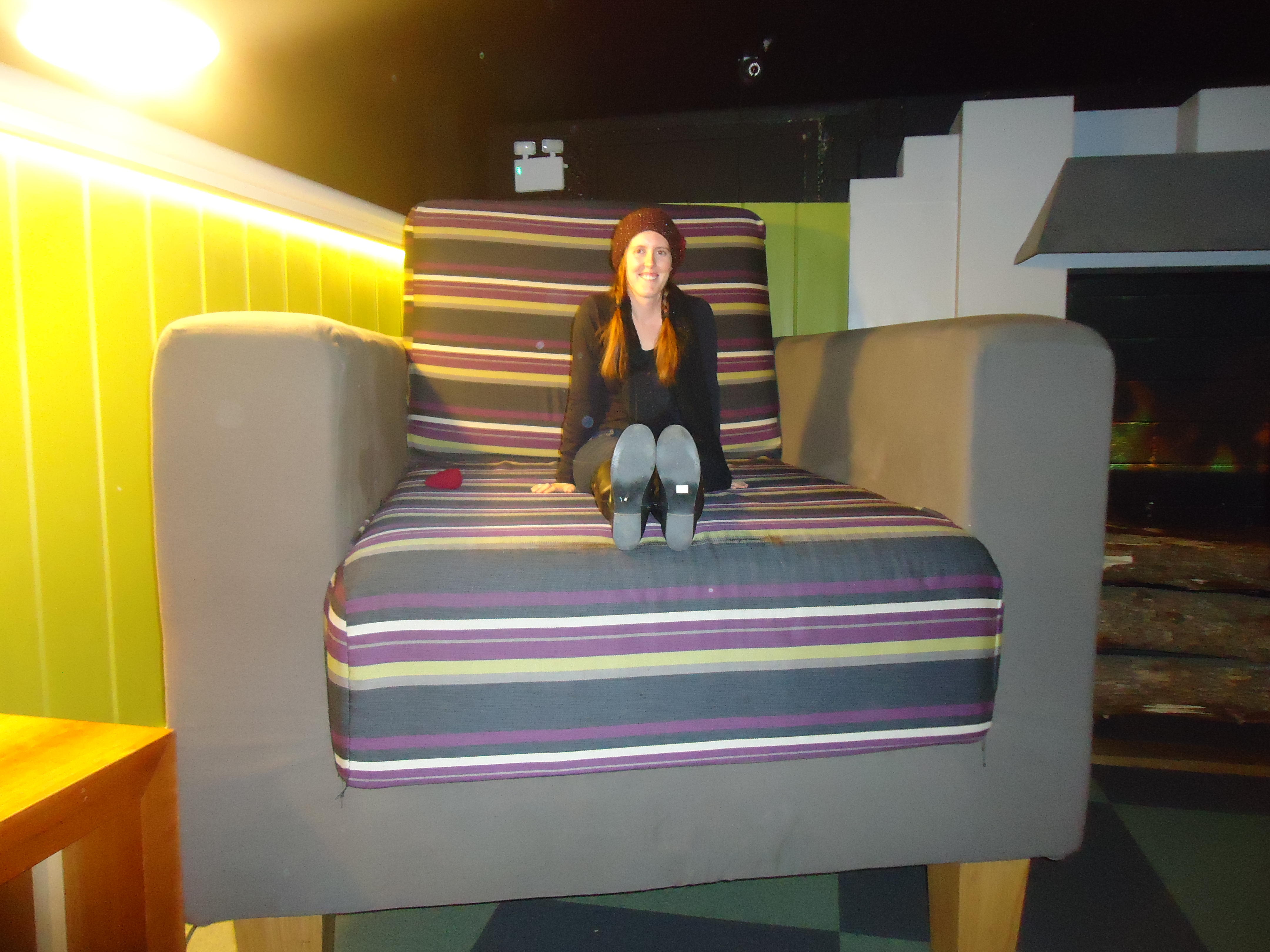
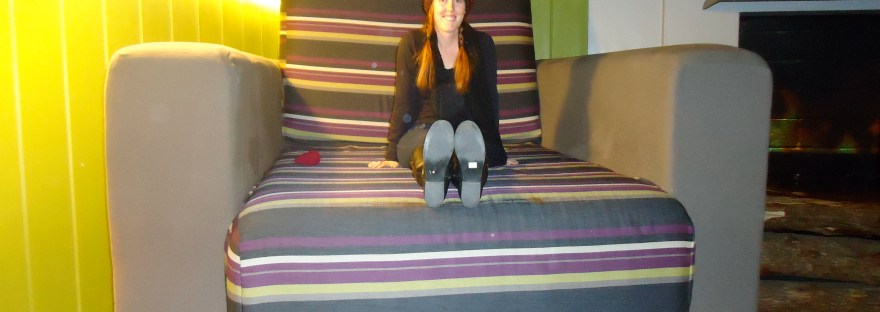
The tour guide began by giving us a brief overview of the Leprechauns and other Irish fairy folk, including the Banshee, a female spirit whose mournful wail or scream–called keening– heralds the death of a family member. The Leprechauns are tricksters, but if you ask them a question, they must give you an honest answer. I was intrigued to learn that they originally wore red and adopted the green attire through commercialism. Also, contrary to popular imagery, Leprechauns can be both male and female. The garden–variety fairies are very sociable and love to dance, and wear out their shoes quickly, so the leprechauns make new shoes for the fairies to dance in.
A character in my novel series, a new Garda recruit, is assigned to a station in Dublin’s inner city. I found my way to the station on Store Street, the largest by–activity in Ireland. I thought it probably looked strange taking pictures of police property, and I tried to act as casual and as unsuspicious as possible.
That evening, back at the flat, I talked and laughed with my hosts over pizza and wine. They gave me insights into some of the subjects I was researching, advising on the dodgy areas of the city’s nightlife, and how unwed mothers were historically treated in the Irish Catholic community.
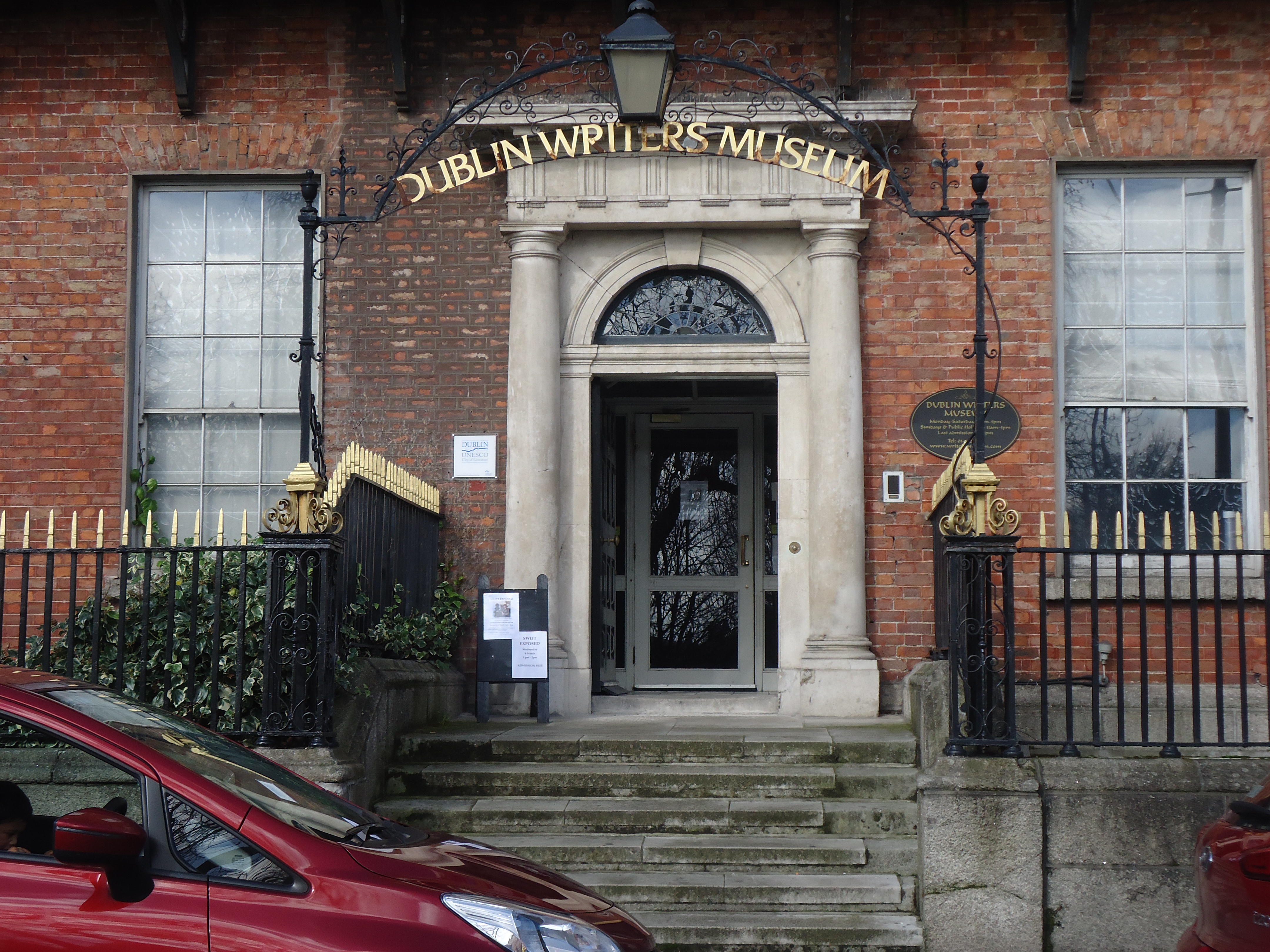
The next day, I headed to the Dublin Writer’s Museum, situated in an 18th century mansion on Parnell Square in the north city centre. The Irish literary tradition is one of the most illustrious in the world, famous for four Nobel Prize winners and for many other internationally renowned writers. The museum’s collection– books, letters, portraits and personal items–featured the lives and works of Dublin’s literary icons over three hundred years, including Jonathon Swift, Oscar Wilde, W.B. Yeats, and James Joyce.
After the museum, I sought out another Garda station. I soaked in the evening ambiance as I walked along Capel Street, lost my way and ended up near the Guinness Storehouse. Daylight was fading fast when I finally found Kevin Street Garda Station and took my photos.
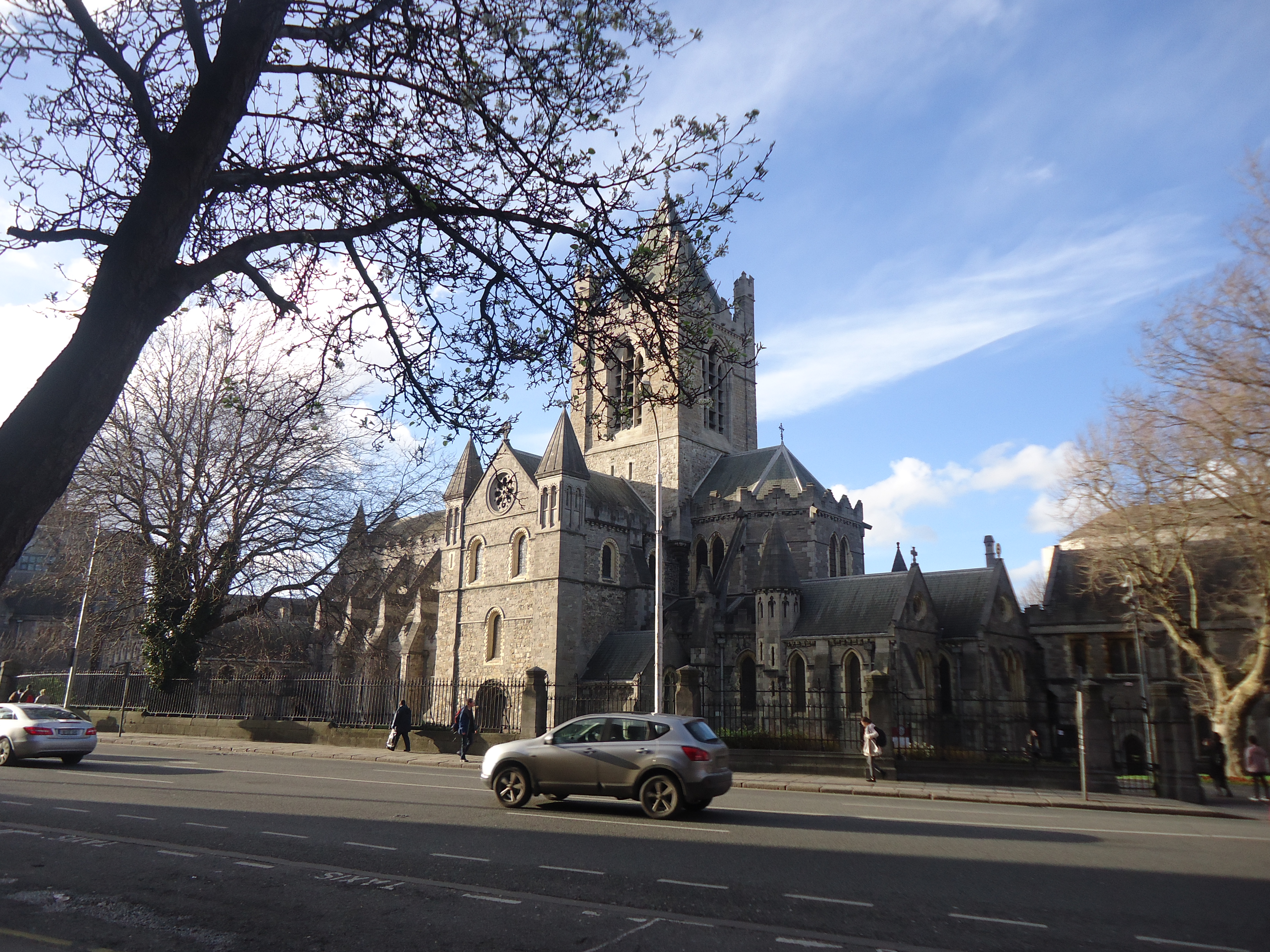
At the heart of medieval Dublin, the bells of Christ Church pealed jubilantly as I headed toward Temple Bar. At the O’Connell Bridge, a crowd of thousands were marching in protest against the first Trump presidency. There was a strong Garda presence, and I got a good look at the uniform up close while I waited for the crowd to pass.
Discover more from Kate Kelsen
Subscribe to get the latest posts sent to your email.

